 Low Stock
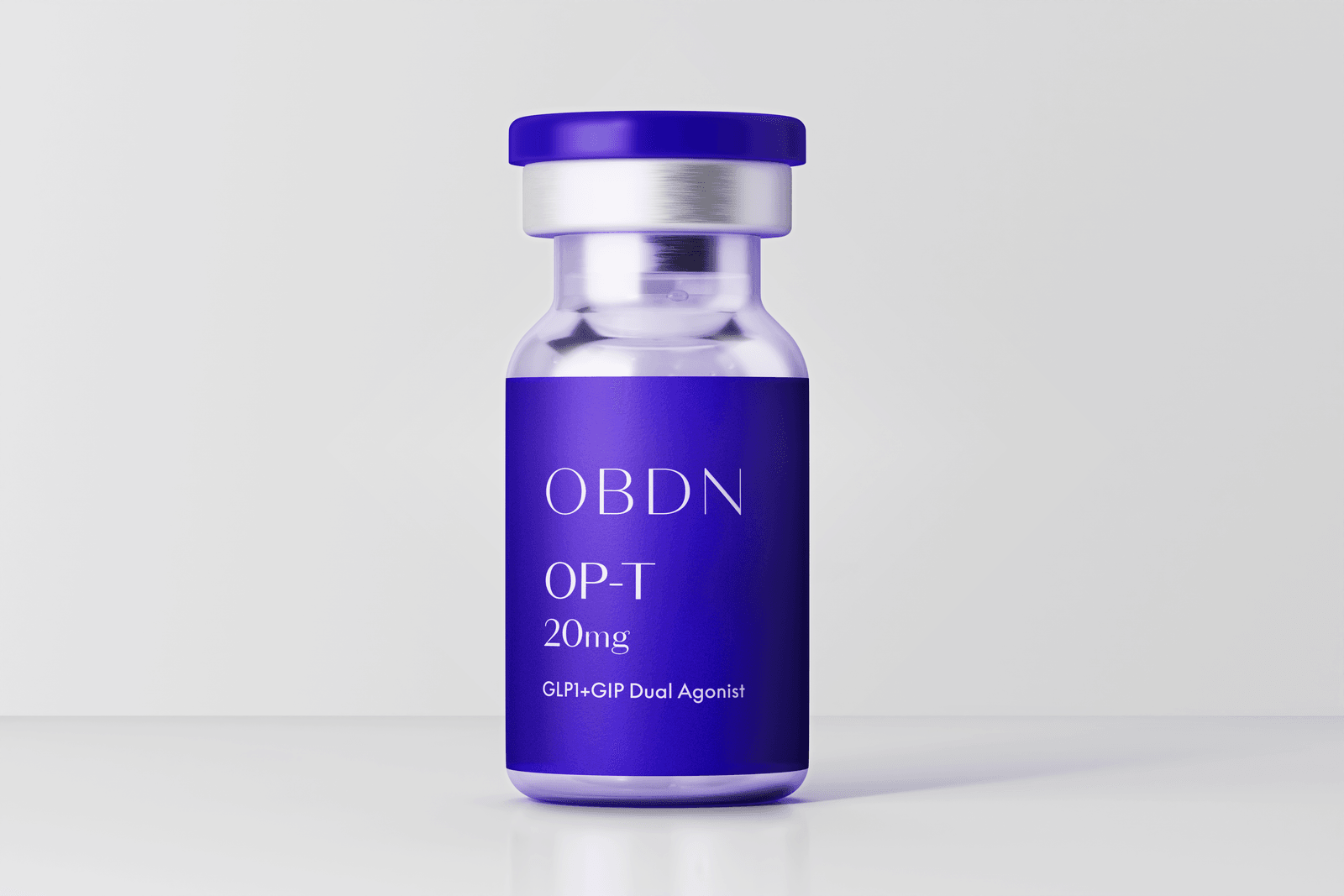
Tirzepatide
20mg | $199.00Tirzepatide is an FDA-approved dual-agonist — a single molecule engaging both GLP-1 (appetite regulation) and GIP (insulin efficiency and fat cell signaling) receptors. Approved for type 2 diabetes (Mounjaro, 2022) and obesity (Zepbound, 2023), it produced 47% greater weight loss than semaglutide in the 72-week SURMOUNT-5 head-to-head trial.
The GIP pathway is what sets it apart. GLP-1 receptors are not expressed in adipose tissue; GIP receptors are. This allows tirzepatide direct access to fat cell signaling unavailable to GLP-1-only compounds. GIP receptor activation triggers SERCA-mediated futile calcium cycling in adipocytes — ATP consumption that generates heat (Cell Metabolism 2024). The fat cell becomes an active participant in energy expenditure rather than passive storage.
The imbalanced potency is intentional:
• GIP (1× native) — full adipose pathway engagement, not dose-limited by GI side effects
• GLP-1 (0.2× native) — appetite modulation without hitting tolerability ceiling
- Direct Adipose AccessGLP-1 receptors are not expressed in adipose tissue; GIP receptors are. This allows tirzepatide direct access to fat cell signaling unavailable to GLP-1-only compounds.
- Adipose ThermogenesisGIP receptor activation triggers SERCA-mediated futile calcium cycling in adipocytes — ATP consumption that generates heat. The fat cell becomes an active participant in energy expenditure rather than passive storage.
- Fat-Selective Weight LossApproximately 75% of weight lost comes from fat in non-diabetic users (vs 60% with semaglutide). This ratio diminishes in type 2 diabetes where GIP signaling is impaired.
- Imbalanced AgonismGIP at 1× native potency, GLP-1 at 0.2×. GIP receptor activation is not dose-limited by GI side effects; GLP-1 is. The design allows full engagement of the GIP pathway without hitting tolerability limits.
- Weight-Independent Insulin SensitivityImprovements in insulin resistance are only 13-21% explained by weight loss — suggesting direct receptor-mediated metabolic benefits independent of caloric deficit.
1
For in-vitro laboratory research use only. Not for human consumption.