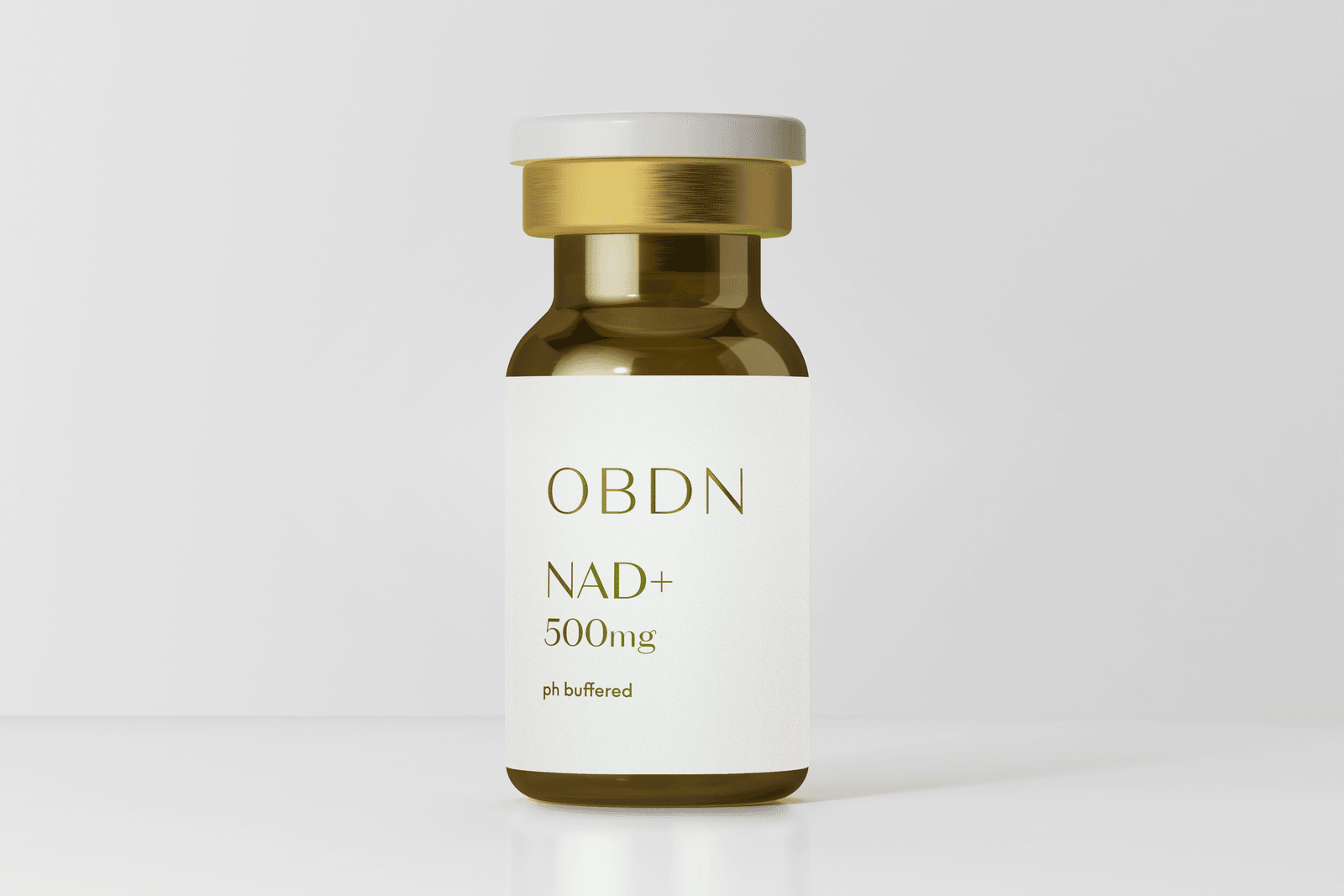
pH buffered
NAD+ is the molecule that connects energy production to cellular maintenance. It carries electrons through the respiratory chain for ATP synthesis, and the same supply is consumed by enzymes that adjust gene expression, coordinate circadian timing, and execute DNA repair.
This shared dependence makes NAD+ central to research on aging, metabolic resilience, and how tissues maintain function under sustained demand.
Made in USA•Purity: 99% HPLC
High-quality RCTs for oral precursors (NR/NMN) demonstrating NAD+ elevation in blood and tissue; clinical trials for injectable NAD+ pharmacokinetics ongoing (NCT06919328)
For laboratory research use only.
NAD+ connects energy production to cellular maintenance. The molecule carries electrons through the mitochondrial respiratory chain to generate ATP, and the same supply is consumed—irreversibly—by enzymes that coordinate stress responses, adjust metabolic timing, and repair DNA damage. Because oxidative metabolism and adaptive maintenance draw from the same source, NAD+ availability determines how much sustained work a cell can perform while still responding to changing conditions.
Nicotinamide riboside (NR) has the deepest controlled trial base. Three weeks of supplementation raised skeletal muscle NAD+ metabolites in older adults, with shifts in anti-inflammatory gene expression (Elhassan et al., 2019). Longer supplementation—8 to 12 weeks—elevated circulating NAD+ 40–60% with good tolerability (Martens et al., 2018). The NADPARK trial confirmed brain penetration: Parkinson's patients showed increased cerebral NAD+ on phosphorus MRS after oral NR (Brakedal et al., 2022).
Nicotinamide mononucleotide (NMN) increased muscle insulin sensitivity in prediabetic women over 10 weeks (Yoshino et al., 2021). Head-to-head comparisons with NR show comparable NAD+ elevation, though tissue distribution may differ.
Functional endpoints have been mixed. Cardiovascular markers show the most consistent effect: 6–8 weeks of NR modestly reduced systolic blood pressure and improved arterial compliance in older adults. Exercise tolerance, cognitive performance, and six-minute walk have shown directional improvement in some trials but not others.
Rodent and human tissue studies have quantified the age-related decline. Skeletal muscle shows approximately 35% reduction in NAD+ salvage enzyme expression with age. Liver and adipose tissue NAD+ levels fall 30–50% from peak. CD38 knockout mice do not exhibit this decline, establishing the enzyme as the dominant driver (Camacho-Pereira et al., 2016).
Senescent cell accumulation appears to be the upstream trigger: damaged cells secrete inflammatory signals that expand CD38-positive macrophages in surrounding tissue, which then consume NAD+ from neighboring cells (Covarrubias et al., 2020).
A 2024 pilot compared intravenous NAD+ against intravenous NR at equivalent doses. IV NR raised whole-blood NAD+ approximately 21% within three hours—outperforming direct IV NAD+ infusion—with fewer infusion-related side effects and faster administration time. This suggests parenteral precursors may offer better kinetics than direct NAD+ delivery for acute elevation.
Intramuscular and subcutaneous NAD+ have clinical use based on pharmacokinetic logic (bypassing first-pass metabolism), but controlled pharmacokinetic data from these routes remain limited. Most published evidence is with oral precursors.
Duration of evidence. Most human data come from precursor trials lasting 8–12 weeks. Long-term outcome studies have not been completed. Blood NAD+ elevation may not reflect tissue-level changes in all compartments.
Cancer considerations. NAD+ fuels cellular metabolism broadly, including in malignant cells. Active cancer is typically considered a contraindication. One murine study raised concern about high-dose NR accelerating aggressive breast cancer metastasis, though this finding has not been replicated in humans. History of malignancy warrants oncology consultation.
Individual variability. Response to NAD+ precursors differs between individuals. Baseline depletion status, age, inflammatory burden, and genetic variation in metabolic enzymes (NAMPT, CD38 polymorphisms) likely influence both how much NAD+ rises and whether that elevation translates to functional change.
Injectable evidence gap. IV, IM, and SC NAD+ are used clinically based on mechanistic reasoning, not randomized efficacy data. The controlled trial base remains with oral precursors.
For laboratory research use only.
| Molecular Formula | C21H27N7O14P2 |
|---|---|
| Molecular Weight | 663.43 g/mol |
| CAS Number | 53-84-9 |
| PubChem CID | 925 |
| Origin | A coenzyme present in all living cells that connects energy production to cellular maintenance. Carries electrons through the respiratory chain for ATP synthesis; consumed irreversibly by enzymes that coordinate stress adaptation, circadian timing, and DNA repair. |
This product ships as lyophilized (freeze-dried) powder. After reconstitution, the solution requires different storage conditions than the powder.
Do not freeze. Use within 30 days of mixing.